
Why Muscle Matters More Than Ever: A Strength Training Guide for Adults Over 35
Most people think about muscle the wrong way. They picture bodybuilders, gym selfies, or some grueling routine they don’t have time for. But for adults over 35, strength training isn’t about any of that and why muscle matters goes far deeper than how you look.
Muscle is what lets you move through the world, manage your weight, recover from injury, and stay physically capable as you age. It’s not a vanity project — it’s the foundation of a functional life. And the good news is that strength training for adults over 35 doesn’t require becoming someone who loves the gym. It requires understanding what actually works and doing it consistently.
Why Muscle Matters: Three Reasons That Change Everything
-
Muscle Moves You Through the World
At its most fundamental level, muscle is what allows you to act. The chain is simple: your nervous system sends a signal, your muscles respond, your bones follow. That chain is what lets you carry groceries, play with your kids, get up off the floor, and do the work you care about.
Here’s the truth that most people miss: the stronger you are, the better you move through the world. Not just in the gym — everywhere. Strength training for adults isn’t about lifting heavy things for the sake of it. It’s about building the physical capacity to live the life you actually want to live.
-
Muscle Is the Engine of Your Metabolism
Think of your body like a vehicle. You want it to be a big engine — responsive, ready to go, efficient at burning fuel. Muscle is that engine. The more lean muscle you carry, the higher your resting metabolic rate, and the more effectively your body manages blood sugar and processes the calories you eat.
We want our cars to get great mileage. We want our bodies to burn through fuel efficiently. More muscle means a body that runs better, feels better, and responds better to everything you put into it.
-
Resilience: The Ability to Withstand and Recover

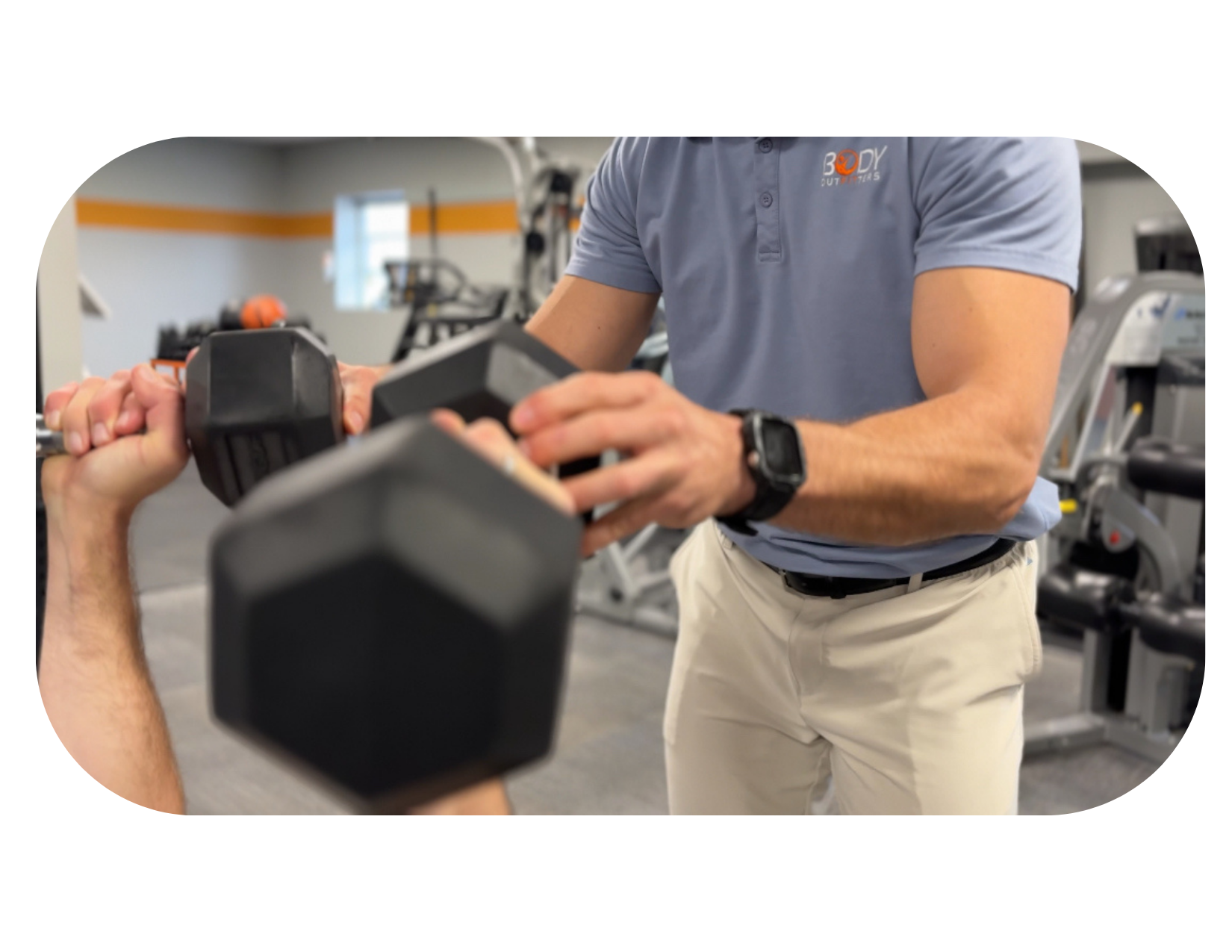
This is the one that tends to surprise people. In 2017, as many of my clients were moving into their 50s and 60s, I spent a significant amount of time studying balance and fall prevention. The conclusion was simple but powerful: stronger bodies fall less, and when they do fall, they recover faster.
Why? Two reasons. First, people who strength train consistently are regularly moving their bodies and have more neuromuscular resources available to catch themselves in the moment. Second, a body that’s practiced at repairing itself through exercise is simply better at healing. Muscle builds resilience — the ability to withstand the unexpected and bounce back from it.
Muscle Growth After 35: What You Need to Know
After the age of 35, muscle and bone naturally begin to decline. That’s the reality — but you have more control over it than you think.
But here’s the important part: It is controllable. You get a say. Muscle growth after 35 is absolutely possible, and the decisions you make about how you move and train directly determine how that timeline plays out.
How to Build Muscle: The Three Practices That Actually Work
After 25 years of working with real adults — busy people, tired people, people who’ve never set foot in a gym — I’ve identified the practices that consistently separate those who get results from those who don’t.
 Practice #1: Start Strength Training (This Is Non-Negotiable)
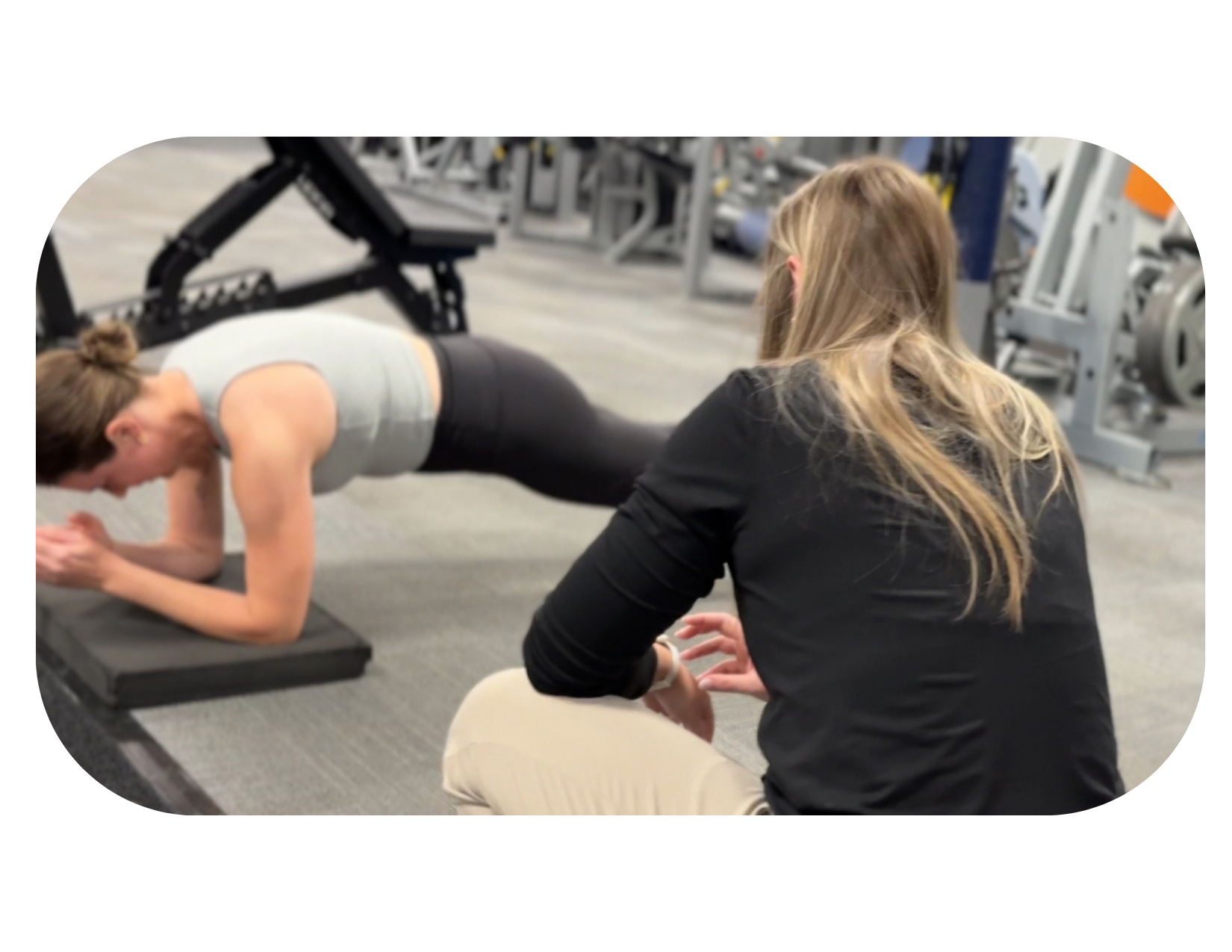
You cannot preserve or build muscle without putting your body under intelligent resistance. Running is great. Yoga is wonderful. Pickleball is a blast. But unless the purpose is a deliberate plan to increase your strength, muscle mass, and bone density, these activities alone won’t stop the tissue loss that begins in your mid-30s.
To build muscle, you must strength train. Strength training for adults over 35 is the single most effective tool for stopping muscle loss. Two to three days per week is the target for most adults. If you’ve never done it before, I want to acknowledge something: it takes courage to start. Walking into a gym or a personal training studio for the first time is uncomfortable. You may not know where to begin or what you’re doing. That discomfort is real, and it’s okay. Every success story starts with the boldness to begin.
So start. If not with us, start somewhere — with a knowledgeable friend, in your home gym, or by dusting off that gym membership. Just begin.
Practice #2: Consistent Intensity (This Is Where Progress Lives)
Starting is step one. Staying is step two. And staying effectively requires understanding two closely related concepts: intensity and consistency.
On intensity: You don’t need to destroy yourself every session. What you need is to work at about a 7 out of 10 effort, with moments that push toward 9 or 10. Here’s a simple way to calibrate that. Perform 15 reps of an exercise with good form. When you’re done, ask yourself honestly: how many more could you have done?
- 10 more? That’s a 5/10 — not enough.
- 5 more? That’s a 6/10 — getting closer.
- 3 or 4 more? That’s a 7/10 — right where you need to be.
- Barely made 15? That’s a 9/10 — excellent work.
To preserve muscle, aim for that 5–7 range consistently. To build muscle, you need to regularly hit 7–10. The occasional moment where your eyebrows go up and you’re genuinely pushing your limit — that’s what drives adaptation.
On consistency: This is the single greatest determining factor in whether you make progress or regress. Your body is the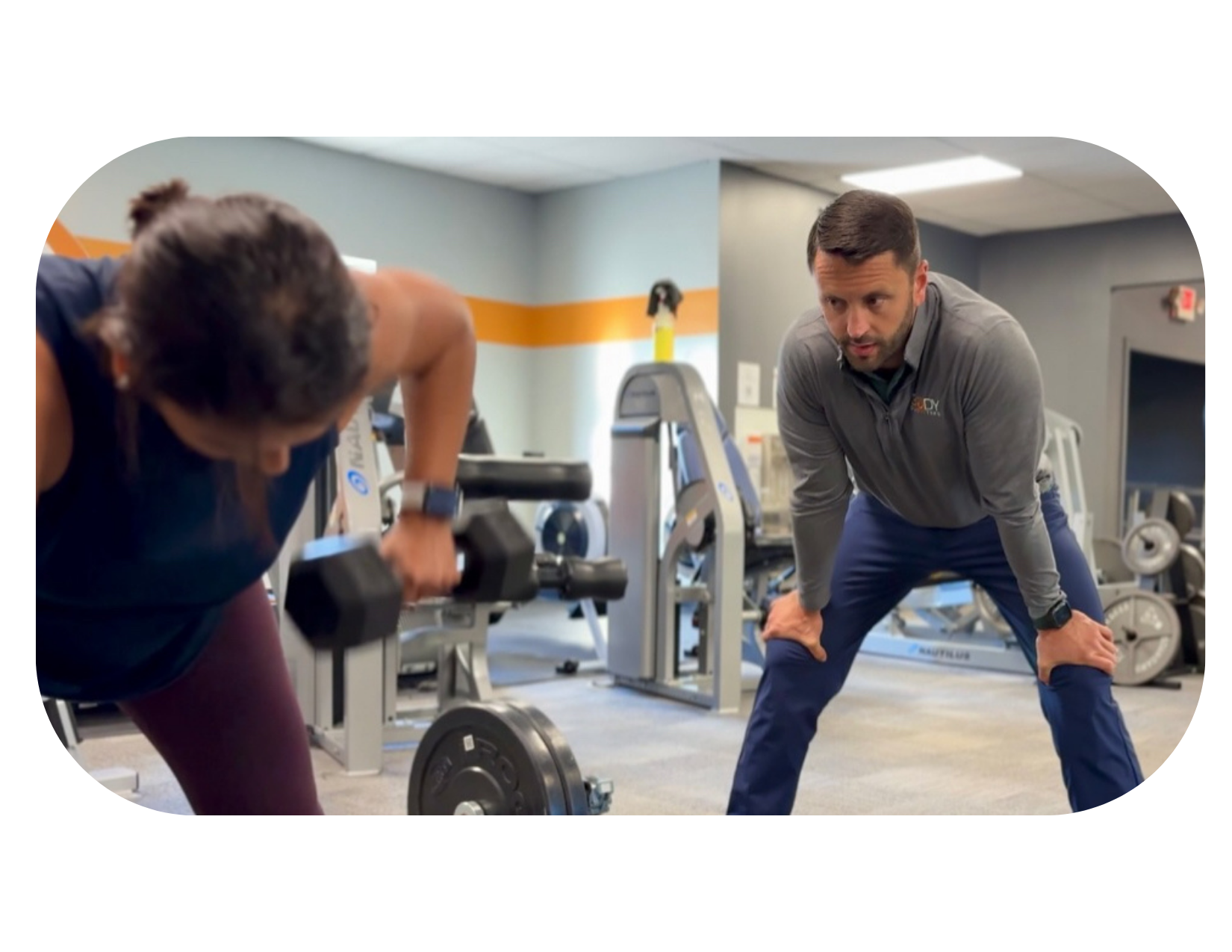 ultimate adapting system. It will become exactly what you repeatedly do to it. Do hard, intentional things consistently and it improves. Do nothing and it deteriorates.
The sweet spot for most people: 2–3 strength training sessions per week, 30 minutes each, plus other movement and activities you enjoy. Keep it regular. Stay consistent with workouts not because every session is inspiring, but because the compound effect of showing up is real and measurable.
Practice #3: Position Accountability
Let’s be honest — most of us are not hyper-disciplined fitness machines. If you are, that’s great. But if you’re not, you’re completely normal. And the solution is not to white-knuckle your way through willpower you don’t have. The solution is to position accountability — to put people in your life who help keep you on track.
We do this in every other important area of life without shame. We hire financial advisors, take our cars to mechanics, and see dentists. We seek counsel and human connection because we understand that expertise and accountability accelerate results. Fitness is no different.
A trainer, a workout partner, a coach, a studio with structure built in — these are not crutches. They are intelligent strategy. Accountability shows its true value not on the days you feel great, but on the days you really don’t want to be there. That’s when the structure you’ve positioned around yourself carries you through.
The Bottom Line on Why Muscle Matters
Here’s the recap:
- Start strength training — for adults over 35, 2 to 3 days per week is all it takes.
- Apply consistent intensity — aim for a 7/10, with moments of 9 and 10.
- Position accountability — find the people and systems that keep you showing up.
Muscle is movement. Muscle is metabolism. Muscle is resilience. It’s the physical foundation that allows you to engage your life fully — your work, your relationships, your play, your purpose.
There’s a saying I come back to often: The best time to plant a tree was 20 years ago. The next best time is today.
You don’t need to have started sooner. You just need to start now.
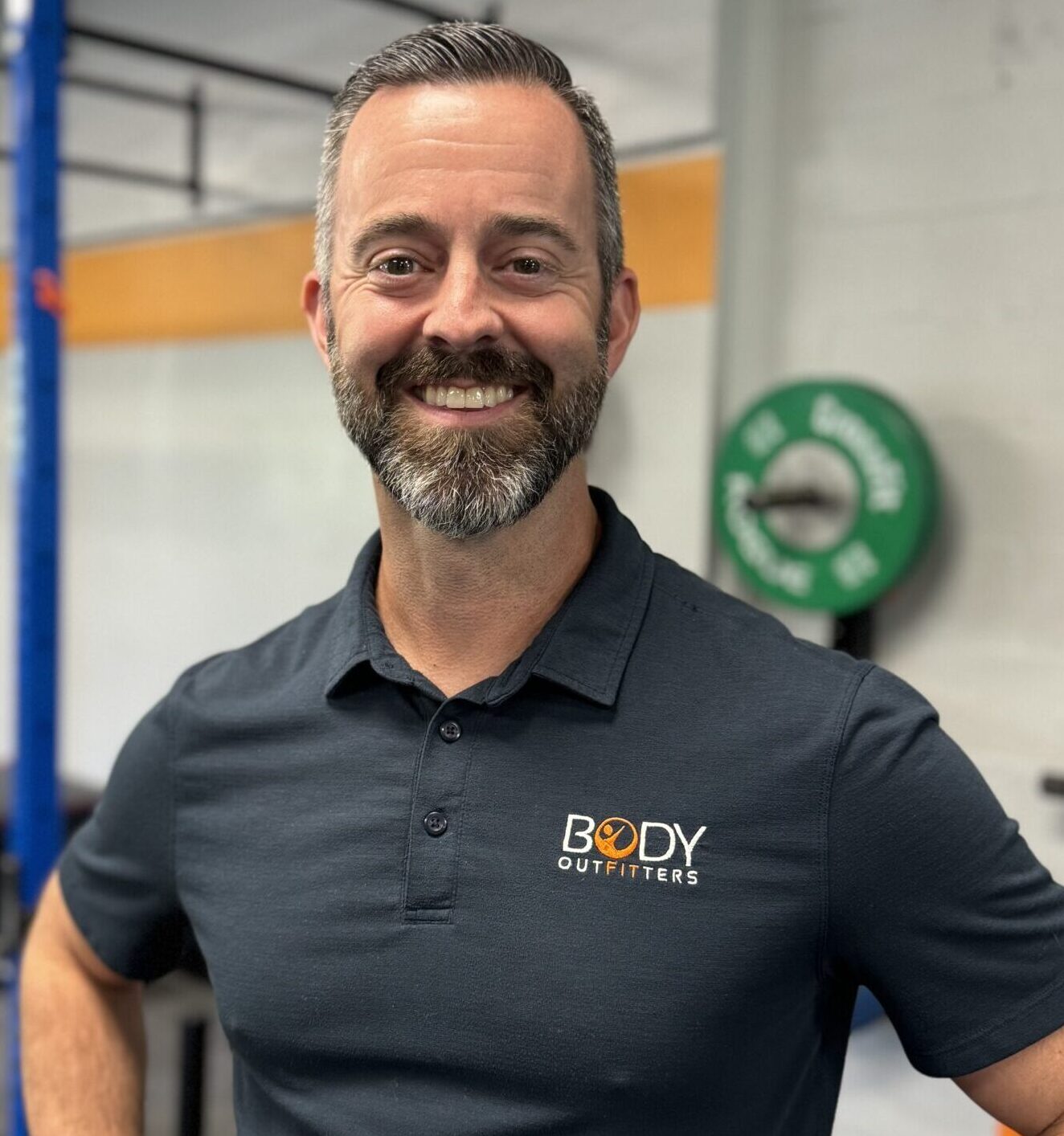
By Mark Moreland, Founder of Body Outfitters Personal Training Studio
Mark Moreland is the founder of Body Outfitters Personal Training Studio, with three locations in Zionsville, Carmel, and Keystone at the Crossing. For more information or to schedule a consultation, visit BodyOutfitters.com.